

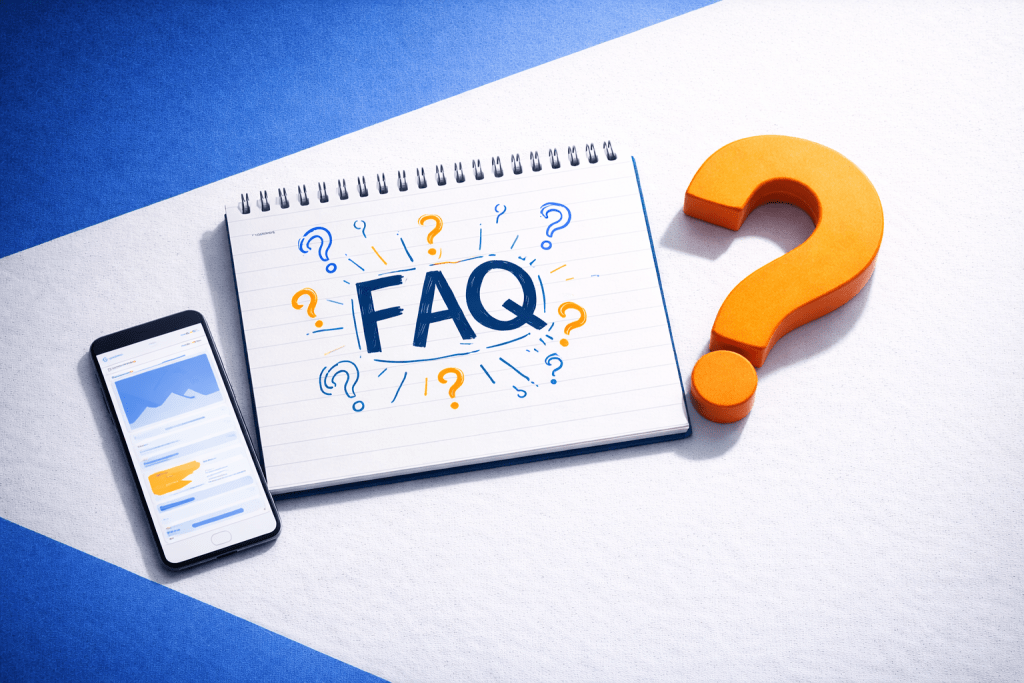
50 Website Design FAQs To Help Your Business Succeed in 2026
Table of Contents
Key Takeaways
- What is website design? Web design is the process of creating and optimizing the structure, layout, and visual presentation of a website.
- Why does web design matter? Your website is the foundation of your digital marketing. If it doesn’t perform well, your marketing efforts won’t convert.
- What are the most important elements of web design? Mobile responsiveness, strong UX, fast loading speed, and SEO fundamentals.
- How much does web design cost? Costs typically range from $1,000 to $30,000 depending on complexity and scope.
- When should you hire a web design agency? When you lack internal expertise, time, or measurable results.
At the center of every digital strategy is your website. Ads, SEO, content marketing, social media — everything leads users there. That’s why professional web design is not optional. Below, Optimum DMA answers the 50 most common website design questions clearly and directly.
Web Design Definition and Basics
What is web design?
Web design is the process of planning, structuring, and creating the visual and functional elements of a website. It includes layout, typography, colors, navigation, and user flow. Good web design ensures visitors understand your message quickly and take action.
What’s the difference between web design and web development?
Web design focuses on how a website looks and feels. Web development focuses on how it functions technically. Designers handle layout and user experience, while developers build the infrastructure that makes everything work.
What does a web designer do?
A web designer creates the structure and visual experience of a website. This includes page layouts, navigation flow, branding consistency, and ensuring the site works smoothly across devices.
Why is web design important for businesses?
Your website forms first impressions. Poor design can reduce trust instantly. Strong design improves conversions, engagement, and brand credibility.
Which businesses need web design?
Every business with an online presence needs professional web design — from local service providers to enterprise-level brands.
How do I justify the return on investment (ROI) of web design?
ROI is measured through increased conversions, better SEO performance, improved user engagement, and stronger brand authority. A well-designed site pays for itself over time.
Elements of Web Design
What are the most important elements of web design?
Key elements include:
- Mobile responsiveness
- Fast loading speed
- Clear navigation
- Strong UX
- SEO-friendly structure
- Clean visual hierarchy
Why is website speed important?
Slow websites lose users quickly. Speed directly impacts SEO rankings and conversion rates.
What security features should a website include?
Every website should have:
- HTTPS (SSL certificate)
- Secure hosting
- Firewall protection
- Regular updates
- Backup systems
How do I measure the success of my web design?
Success metrics include:
- Conversion rate
- Bounce rate
- Page speed
- SEO rankings
- Time on site
- Lead generation performance
What are the biggest mistakes in designing a website?
Common mistakes include:
- Ignoring mobile users
- Poor navigation
- Overcomplicated design
- Weak calls-to-action
- Lack of SEO structure
Web Design Process and Preparation
How long does it take to design a website?
Basic websites may take 4–6 weeks. Larger, custom sites can take several months depending on complexity.
How do designers test websites before launch?
Designers test across devices, browsers, and screen sizes. They check speed, usability, and technical functionality before launch.
What is A/B testing in web design?
A/B testing compares two versions of a page element to determine which performs better.
How do I perform competitive analysis for web design?
Analyze competitor structure, UX, speed, content clarity, and conversion elements. Focus on improvement, not imitation.
Web Design Costs and Budgeting
How much does web design cost?
Most business websites range between $1,000 and more depending on scope and features.
What factors affect the cost of web design?
Costs vary based on:
- Number of pages
- Custom design requirements
- Integrations
- E-commerce functionality
- Content development
Is it cheaper to redesign an existing site or build a new one?
Redesigning is cheaper if infrastructure is solid. A rebuild is better if technical issues are significant.
Are there ongoing costs after a website is built?
Yes. Hosting, maintenance, updates, security monitoring, and optimization are ongoing expenses.
CMS and Website Platforms
What is a content management system (CMS)?
A CMS allows you to manage website content without coding knowledge.
Which CMS should I use for my website?
WordPress is highly flexible. Shopify works well for e-commerce. The right choice depends on your goals.
Is WordPress a good CMS for web design?
Yes. WordPress offers flexibility, plugins, SEO control, and scalability.
Can designers work with my existing CMS?
Most experienced designers can adapt to your current CMS platform.
Should I custom-build my website or use a template?
Custom builds offer uniqueness and flexibility. Templates are cost-effective but limited.
Do I need coding knowledge to manage my website?
No. Most CMS platforms allow easy updates without coding.
UX and UI Design
What is UX design?
UX focuses on how users experience and navigate your website.
What is UI design?
UI refers to the visual presentation of the interface.
What’s the difference between UX and UI design?
UX is functionality and usability. UI is aesthetics.
Why is UX important for websites?
Strong UX improves conversions and reduces frustration.
How do designers improve UX design on a website?
By simplifying navigation, improving speed, and optimizing user flow.
Website Accessibility
What is website accessibility?
Accessibility ensures people with disabilities can use your website.
Why is accessible web design important?
It improves inclusivity, user experience, and legal compliance.
How do designers make websites accessible?
Through alt text, proper heading structure, readable contrast, and keyboard navigation support.
Mobile Website Optimization
Why is mobile-friendly web design important?
Most traffic (over 50%) comes from mobile devices.
What happens if my website isn’t mobile-friendly?
You lose rankings and conversions.
What’s the difference between mobile-friendly and mobile-first design?
Mobile-first designs start with mobile experience, then scale up.
Will my website look the same on all screens?
No. Responsive layouts adapt to screen sizes.
What is responsive web design?
Responsive design adjusts automatically to device dimensions.
Web Design Impact on Other Strategies
How does web design affect SEO?
Structure, speed, and UX directly influence rankings.
How does web design affect lead generation?
Clear CTAs and UX improve conversion rates.
How does web design affect trust and credibility?
Professional design builds immediate trust.
What role does branding play in web design?
Brand consistency strengthens recognition and authority.
Website Maintenance and Updates
What is website maintenance?
Ongoing updates, security checks, and performance optimization.
How often should a website be updated?
At minimum quarterly, ideally monthly.
What is the difference between a website update vs. a website redesign?
Updates improve content or features. Redesigns restructure the entire site.
Web Design Services and Agencies
What does a web design agency do?
Agencies plan, design, build, optimize, and maintain websites.
When should I hire a web design agency?
When internal expertise is limited or results are stagnant.
What’s included in professional web design services?
Strategy, UX design, development, SEO setup, testing, and launch support.
How do web design services differ from freelance designers
Agencies offer broader expertise and structured processes.
What should I look for in a web design agency?
Look for proven results, clear communication, SEO knowledge, and transparent processes.
Take Your Website to the Next Level with Optimum DMA
Now that you understand the fundamentals of web design, the next step is execution. A website is not just a digital brochure — it’s your most important conversion asset.
At Optimum DMA, we design websites built for performance, speed, SEO, and measurable growth. If you’re ready to build or upgrade your website the right way, we’re ready to help.

About the Author
Nicky Huseynova
Founder & CEO, Optimum DMA
Nicky Huseynova is the Founder and CEO of Optimum DMA, a digital marketing agency focused on helping service-based businesses grow through strategic websites, SEO, and content marketing. She has worked with hundreds of U.S.-based businesses across a wide range of industries and has successfully led the launch of hundreds of websites.
Her work combines clear strategy, thoughtful execution, and a strong understanding of how people search, think, and make decisions online. From website development to SEO and content marketing systems, Nicky helps businesses build visibility, trust, and long-term growth.
 Connect on LinkedIn
Read Other Pro Tips
The Content Roadmap 2026: A Monthly SEO & Content Guide for Growing Professional Firms
Nicky H.
March 24, 2026
Local SEO for Law Firms: How to Show Up When Clients Search “Near Me”
Nicky H.
March 11, 2026

Blogging for Consultants: Build Authority & Attract Clients in 2026
Nicky H.
March 9, 2026
Whether you need a new website, SEO, or content strategy — we’re here to help.
We typically respond within 24 hours.
- 646-262-1142
- nicky@optimumdma.com
- Hell's Kitchen, NY 10019